Ensenada · Qualifying Day
The day began with forms, wristbands, team photos, and the cheerful calm of registration. It ended with #355 flying over the jumps at Rancho Nelson, fresh fuel curves in the ECU, and an evening briefing shaped by race strategy—and a hurricane circling the forecast.
Officially Race Week
Paperwork, pictures, and NORRA goodies.
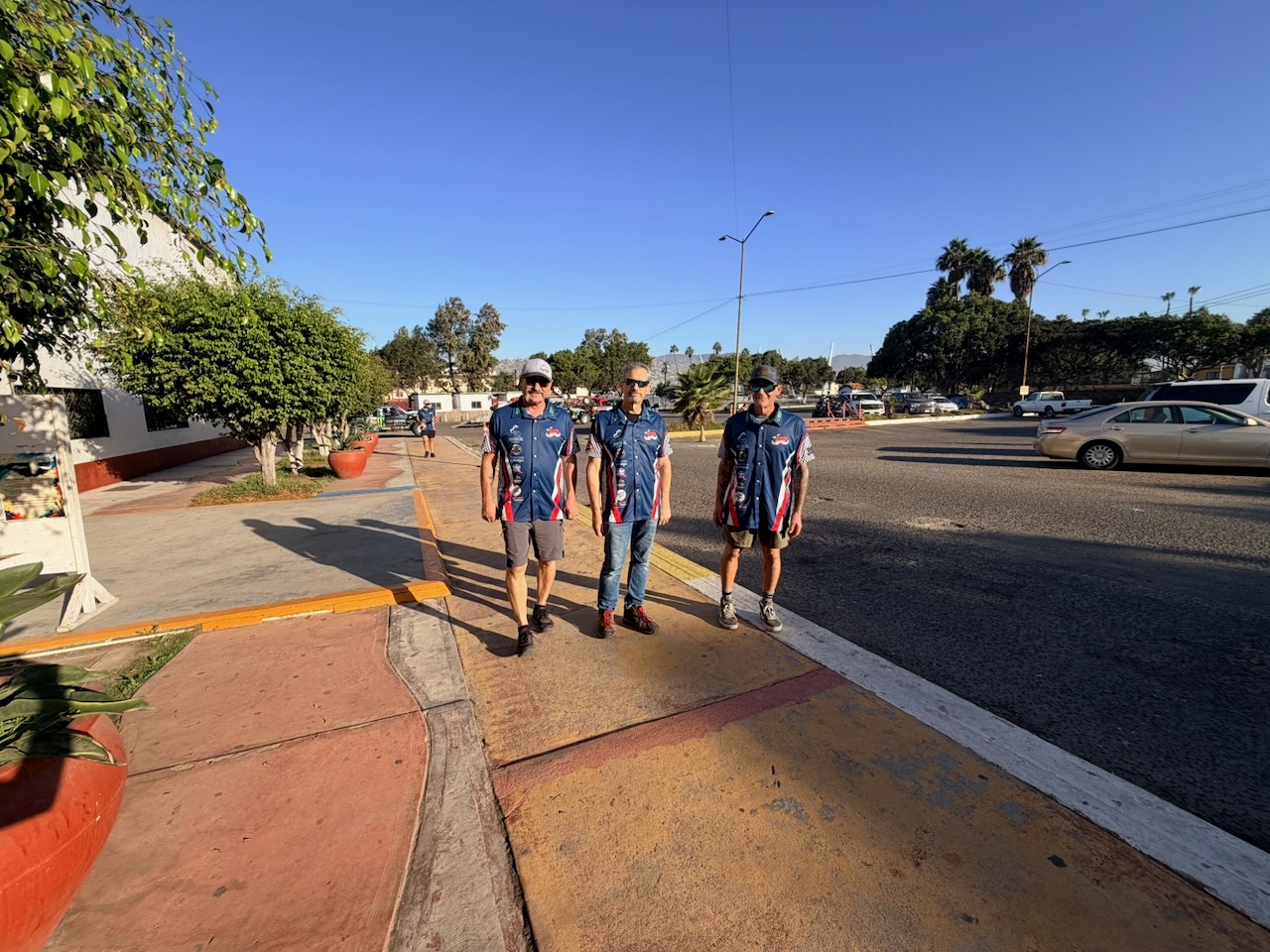
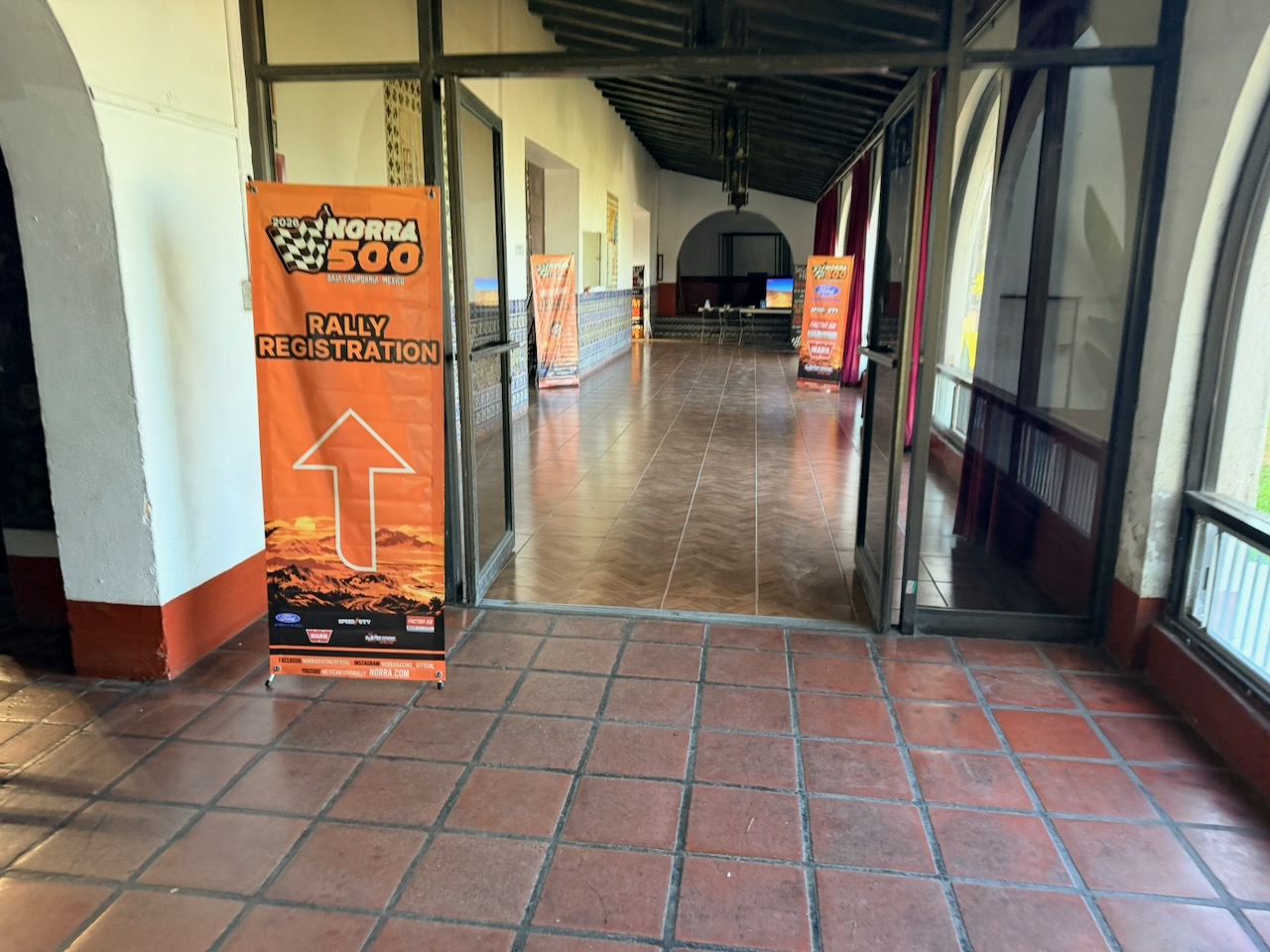
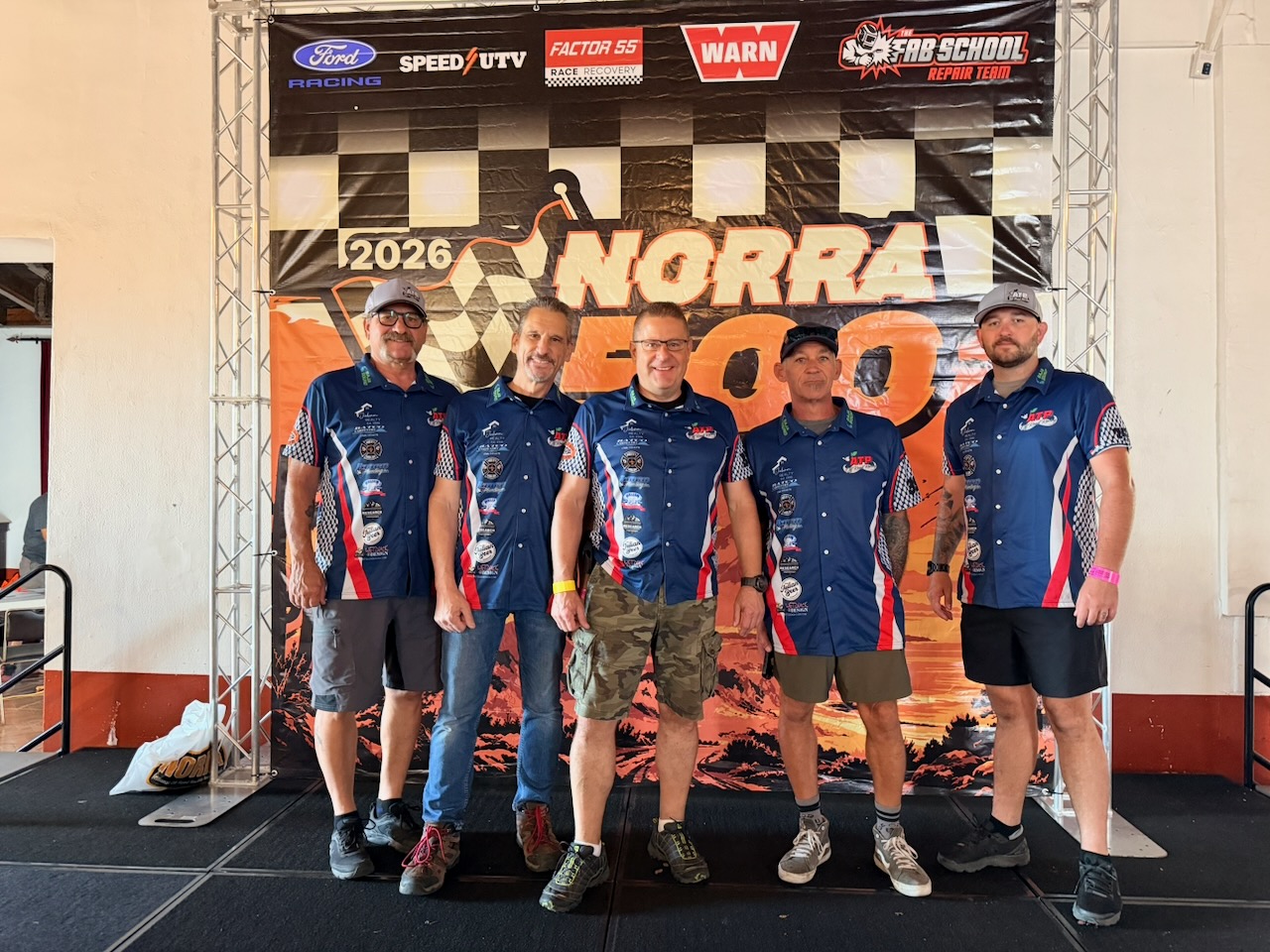
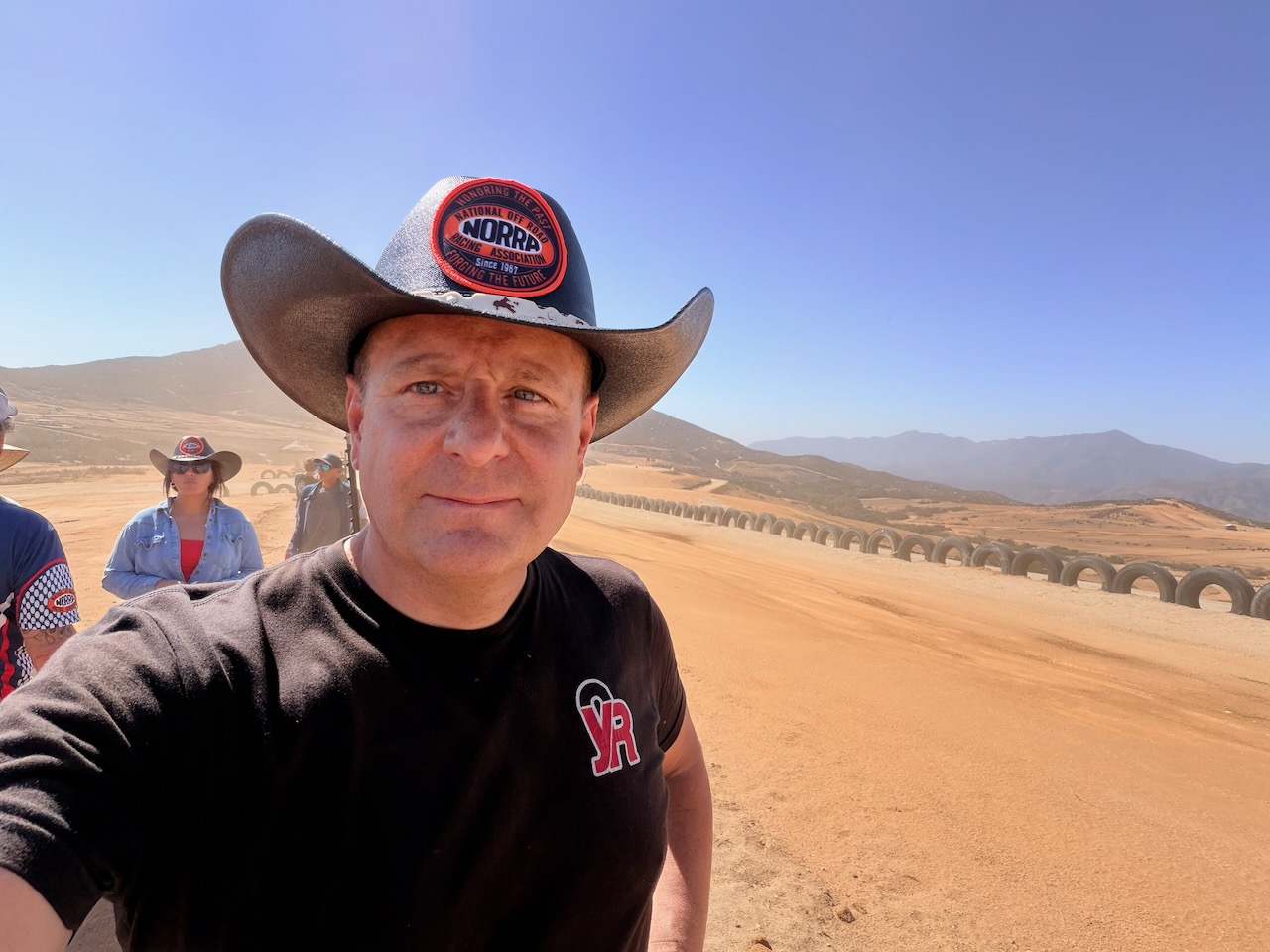
First stop: team registration. We worked through the paperwork, checked every name and detail, collected the race-week merchandise and welcome goodies, and made the pilgrimage to the NORRA 500 sign for the photographs that make it all feel official.
The Ensenada Cultural Center was buzzing with teams arriving from every direction. There was plenty of waiting, plenty of talking, and the shared anticipation that comes when hundreds of people know the quiet part of race week is almost over.
Into the Tech Line
Every car. Every helmet. Every safety detail.
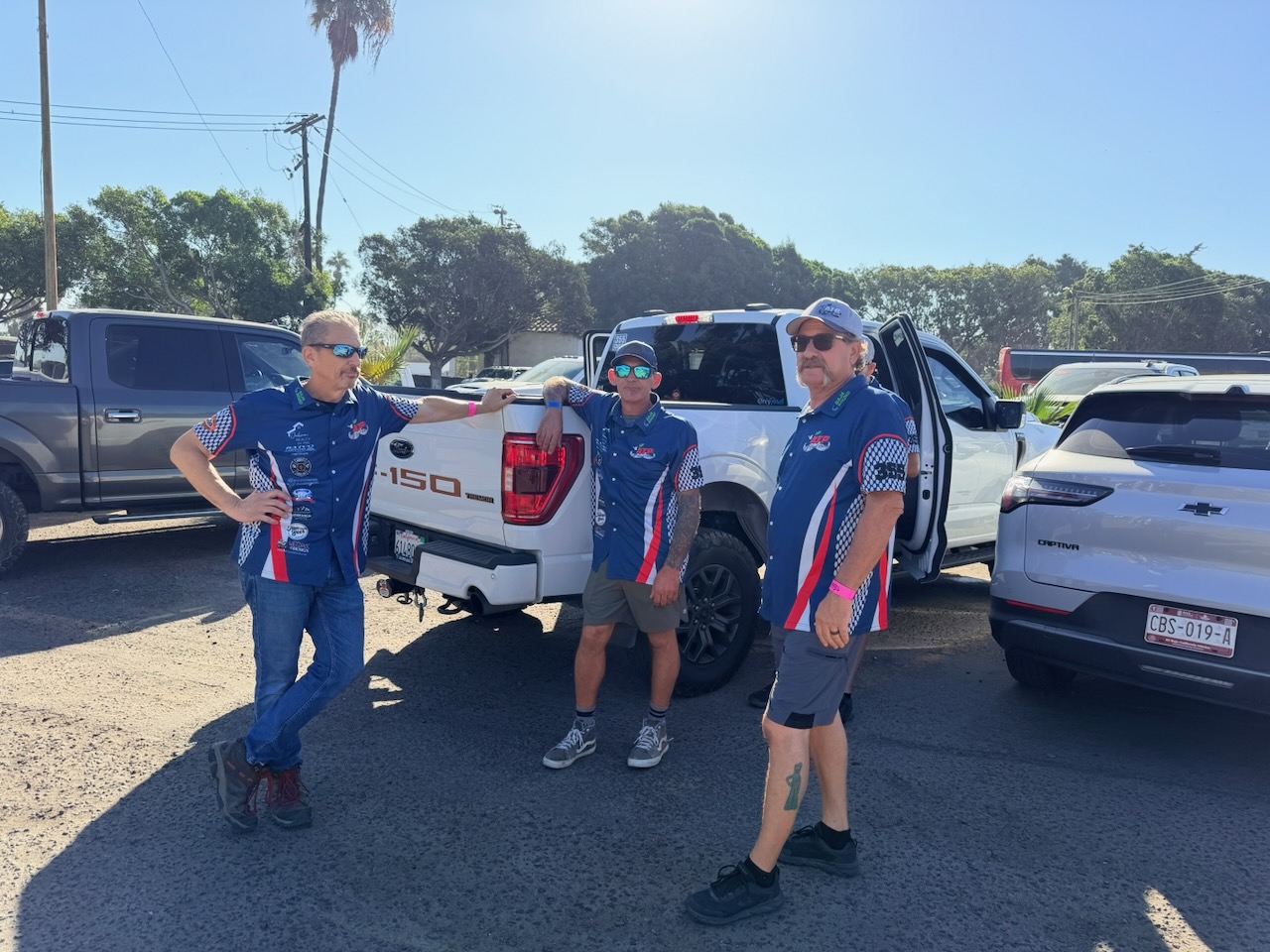
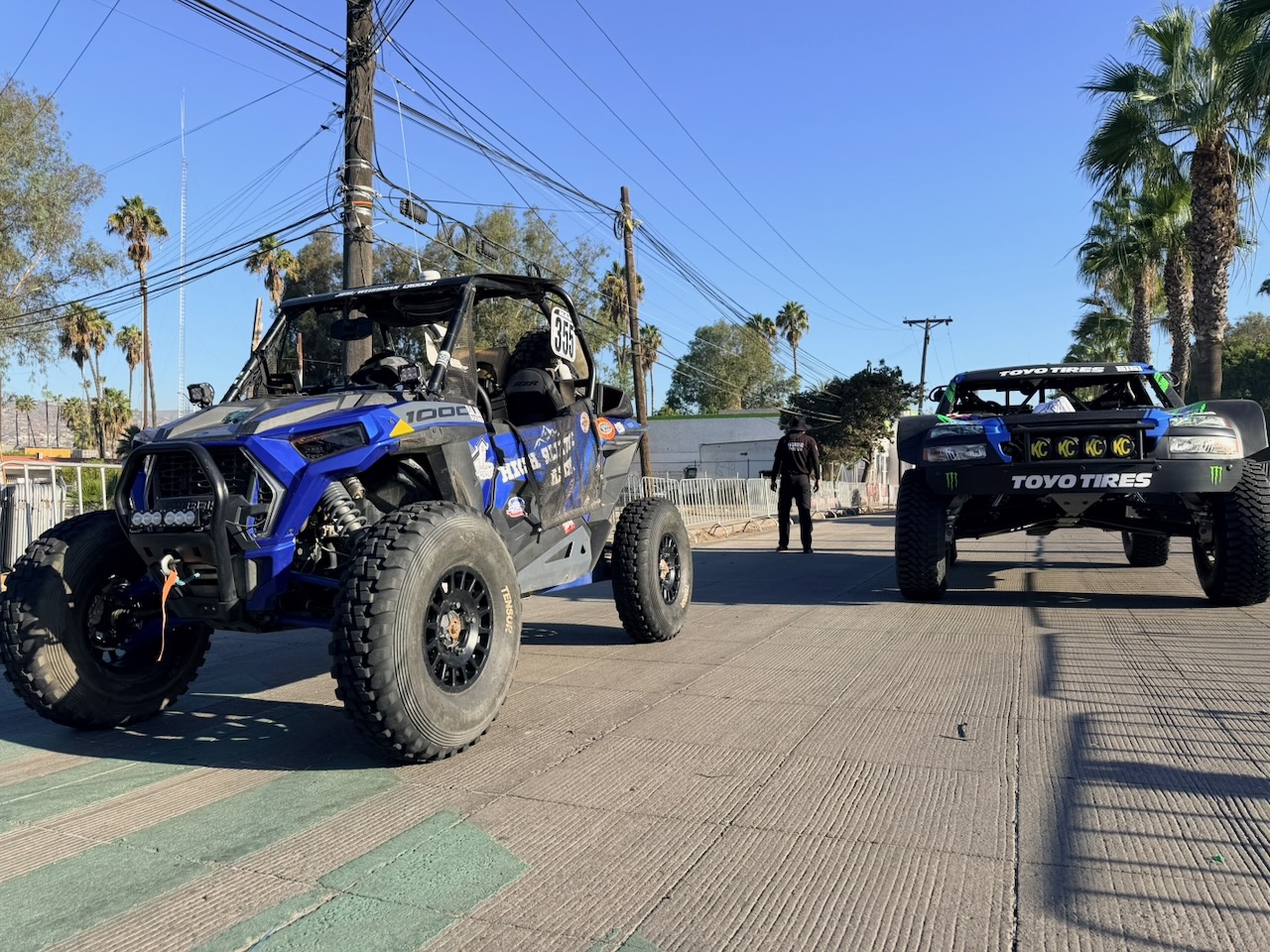
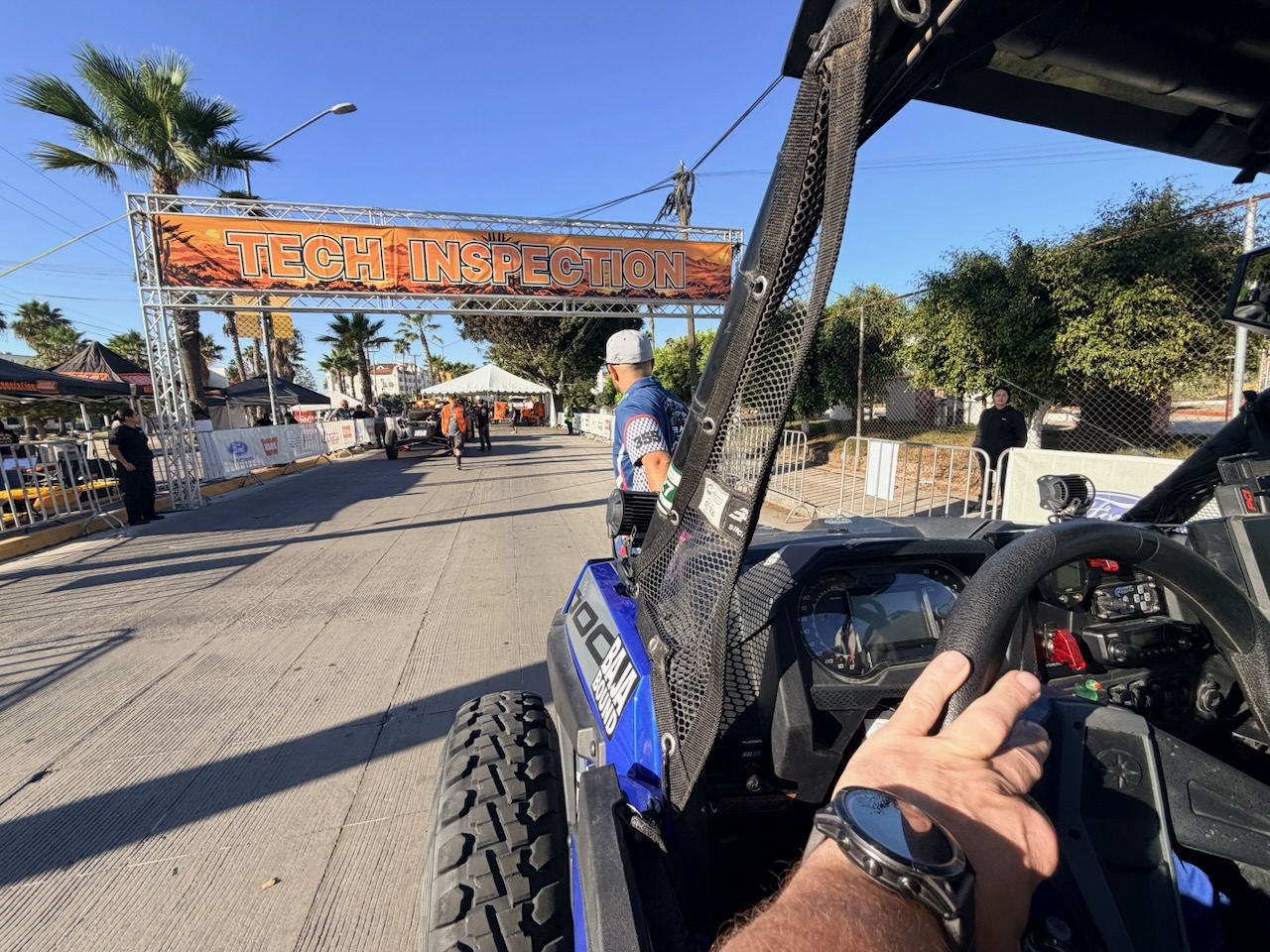
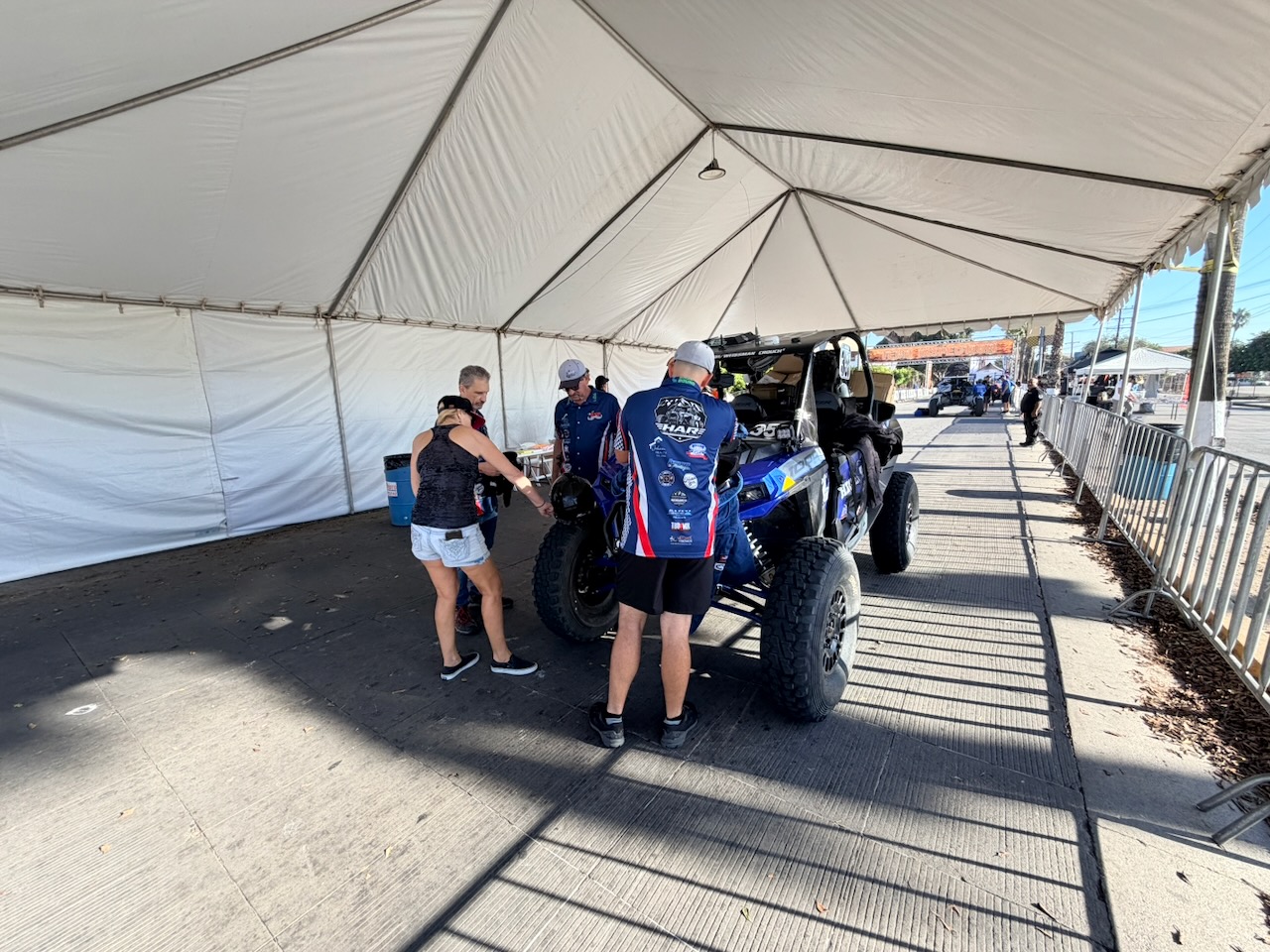
Registration complete, we went straight to technical inspection. The car, driver equipment, and safety systems all came under scrutiny. Harnesses, helmets, fire protection, communications, tracking—the things nobody wants to need must work perfectly when the desert decides otherwise.
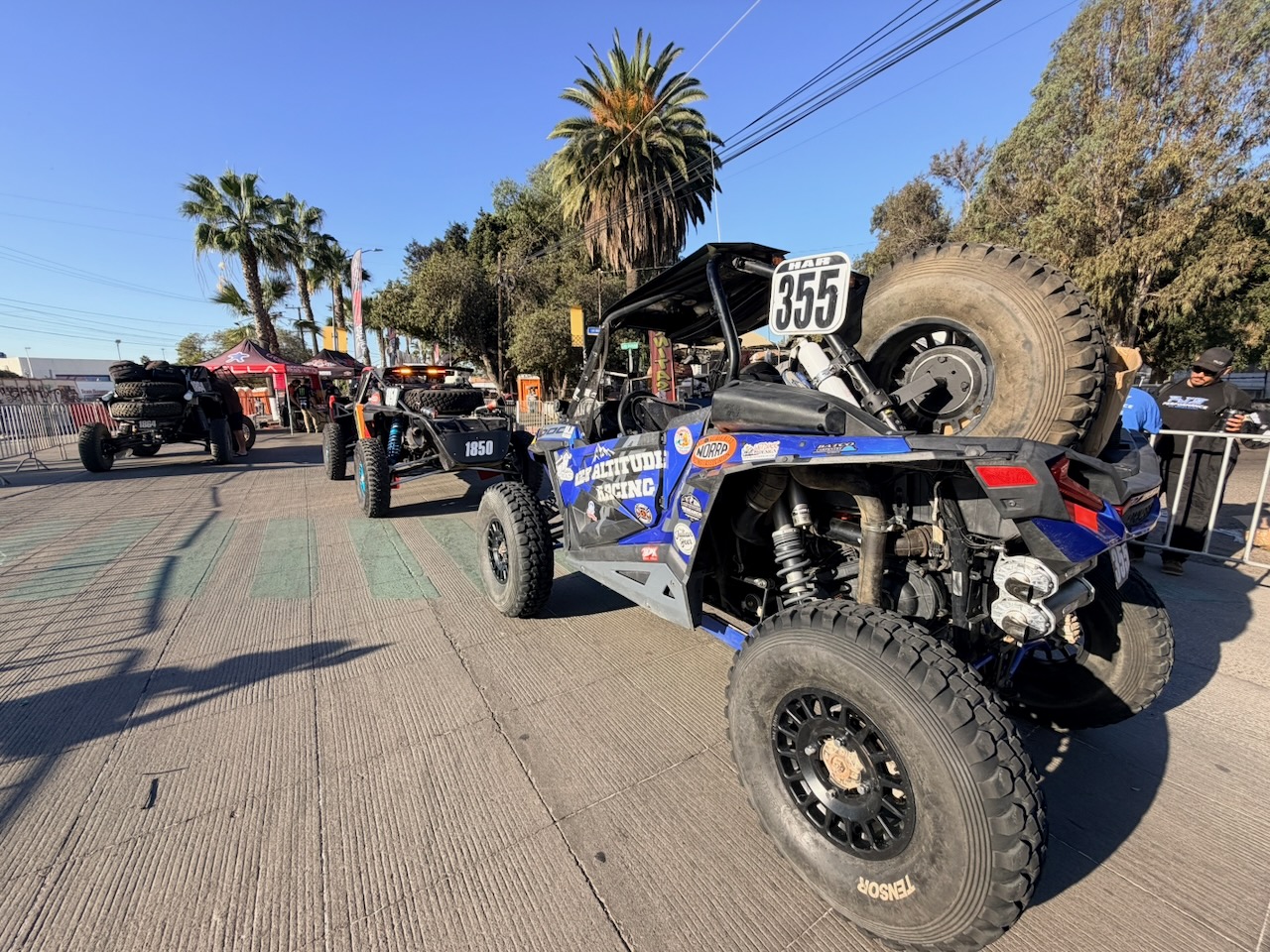
#355 made its way through the line and emerged ready for competition. But this year, one new piece of required equipment dominated the conversation in our car and all through tech: Stella 6.
Stella 6—Did We Mention Stella 6?
A roadbook-sized challenge for a race-car-sized dashboard.
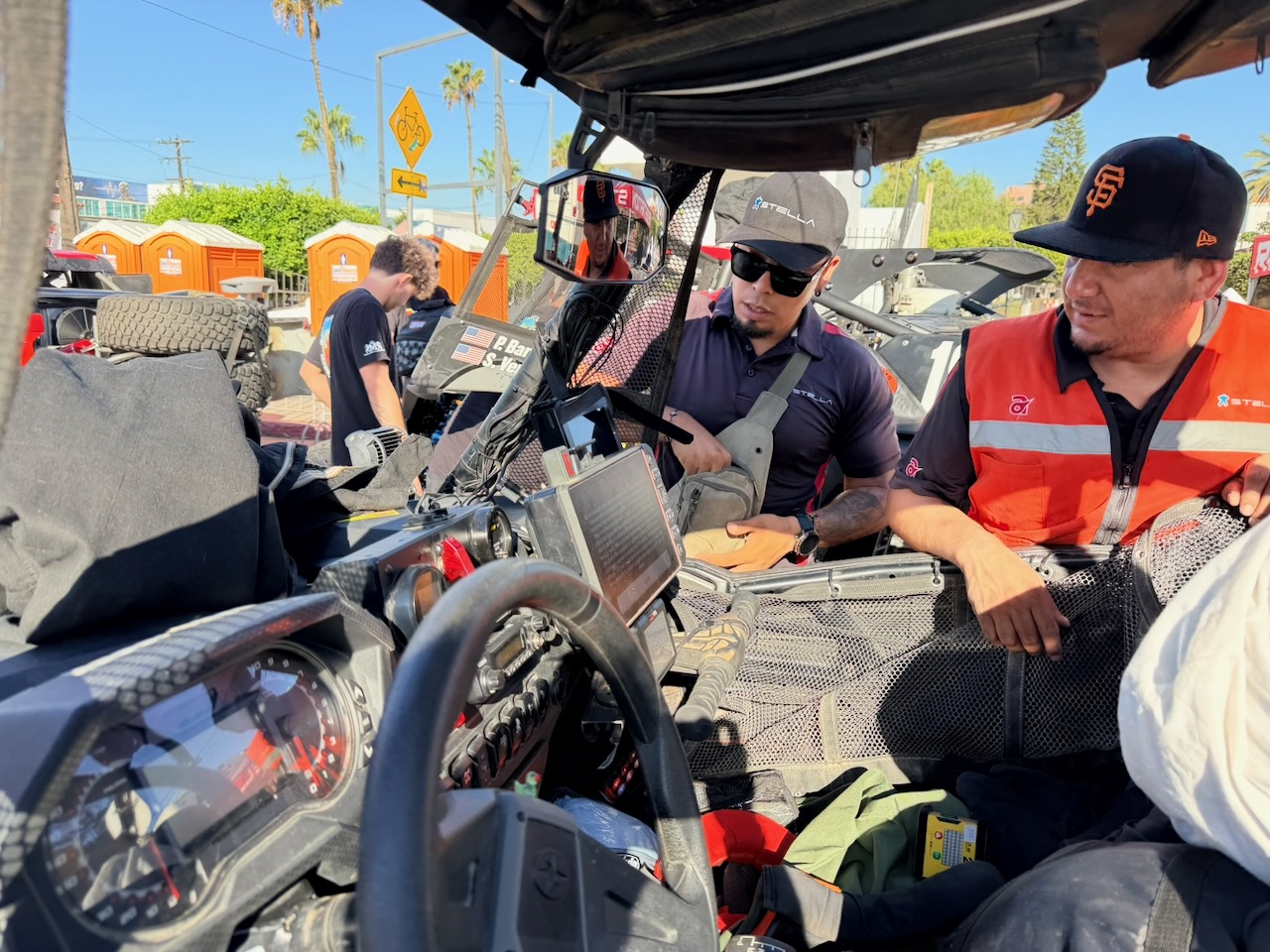
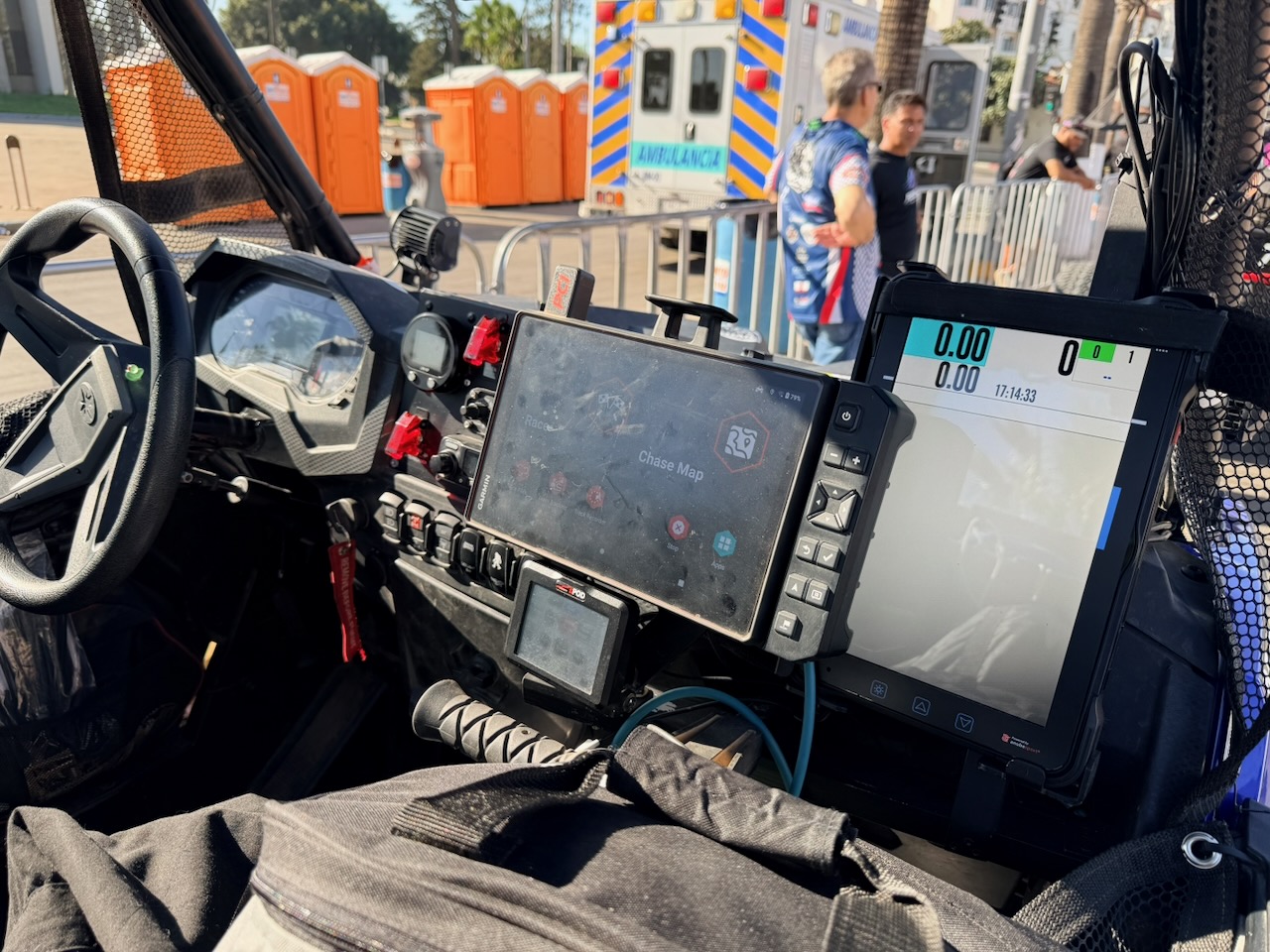
The new Stella 6 is significantly larger than the old unit we had tucked neatly beneath the roof. For the driver, the one essential glance is the speed display during restricted-speed zones—miss the limit and the penalties can reshape a race. The rest of its job belongs primarily to the navigator.
Stella 6 serves as the electronic roadbook, calling out turns, hazards, and dangers. We use those prompts to augment the course and warning information on our GPS, so the unit needed to move as far right as possible into the navigator’s domain while remaining visible and usable.
That sounds simple until a large screen meets a small, already crowded cockpit. Even trophy trucks do not come with unlimited dash space, and teams throughout tech were searching for a secure home for the new device. After multiple positions, brackets, and test fits, ours found its place.
Qualify, Analyze, Reflash
The lap ended. The tuning did not.
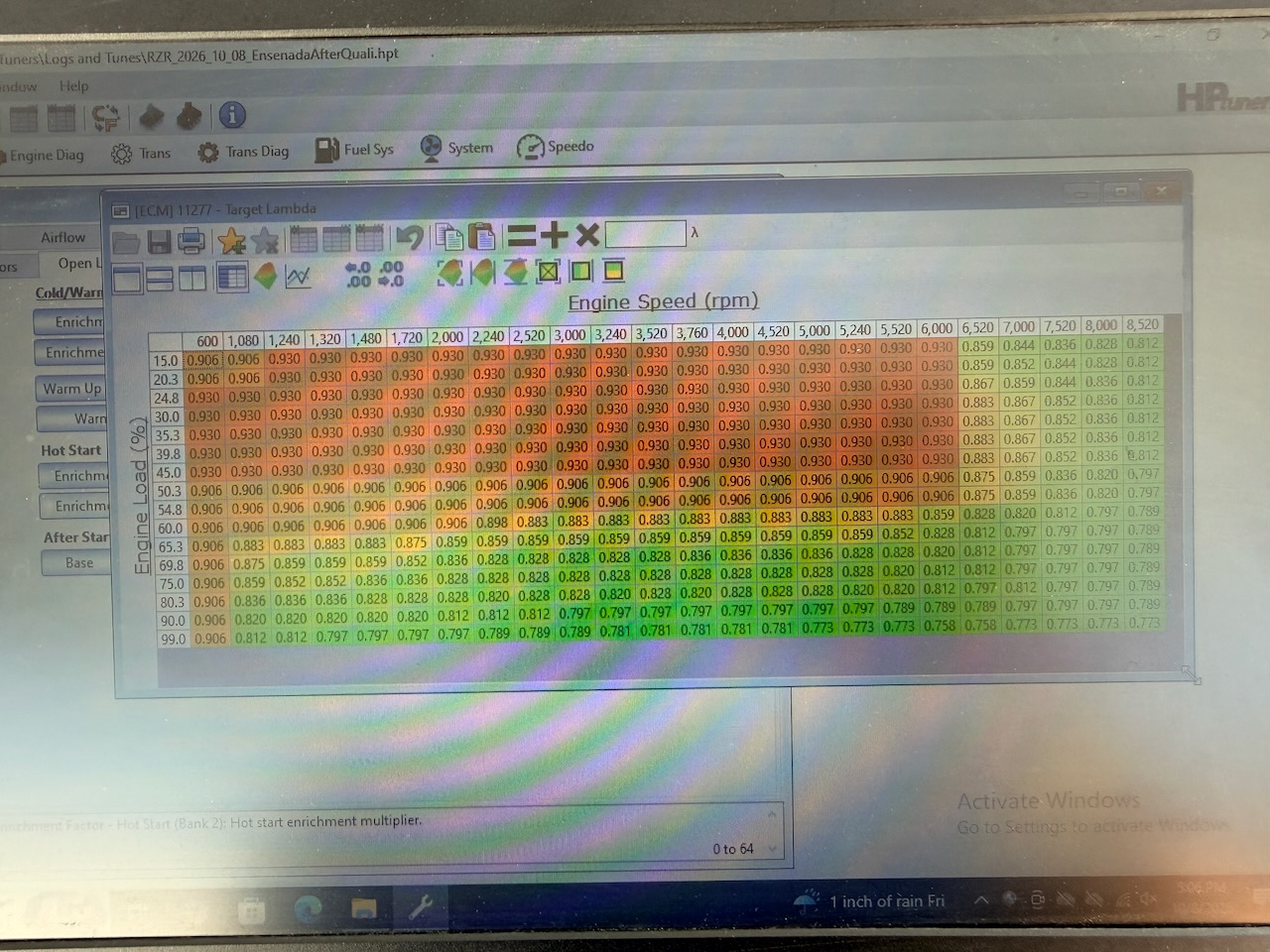
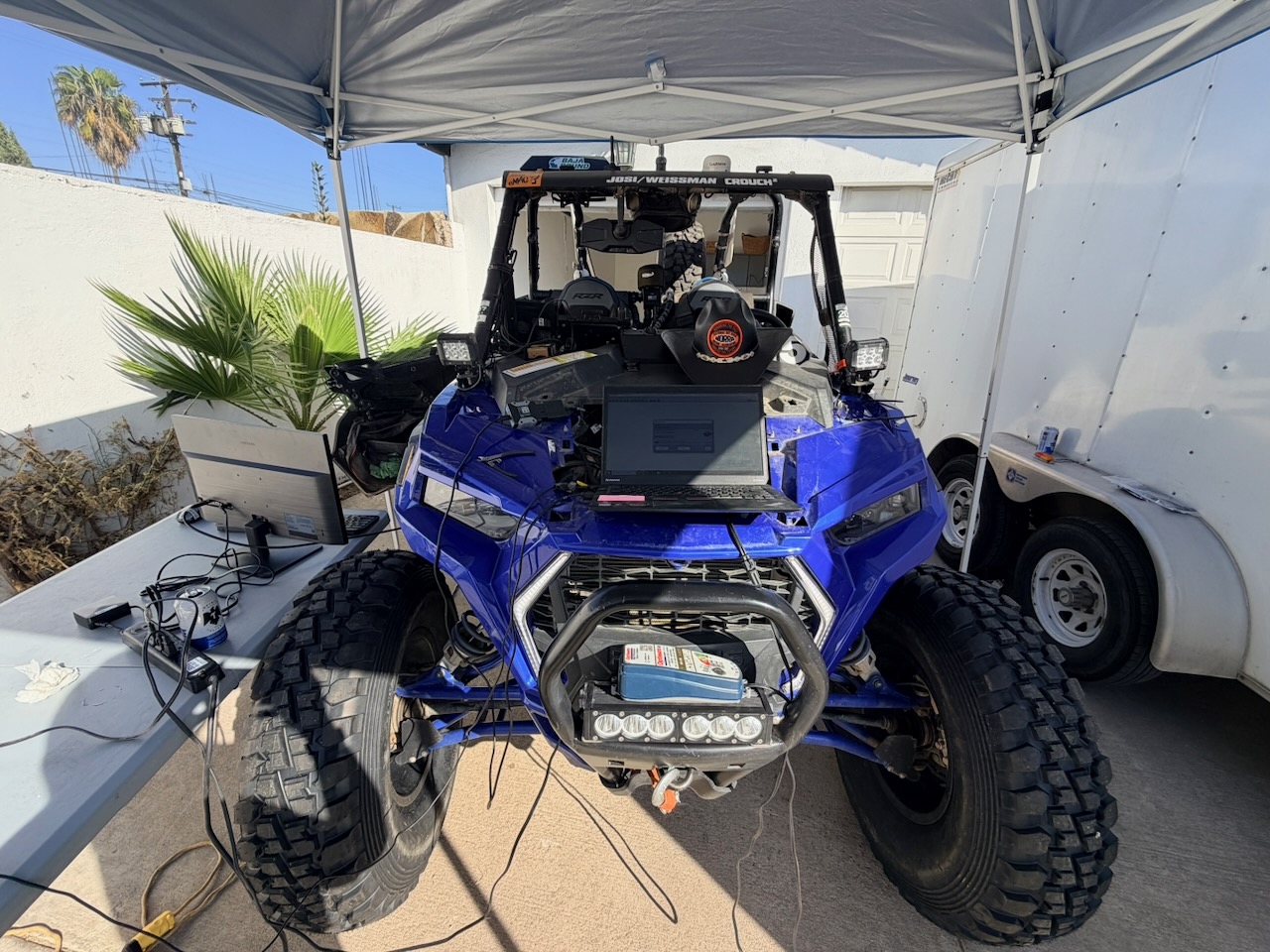
We qualified respectably and brought the car back intact—exactly the combination we wanted before tomorrow’s race. The engine data, however, gave us one more job. At low throttle positions it was running lean; at full throttle it swung rich.
With the qualifying run logged, we adjusted the fuel curves, checked the tables, and reflashed the ECU. Desert racing rewards speed, but it also rewards the teams willing to keep learning after the engine shuts off.
Dinner & Drivers Meeting
Course notes, storm plans, and what comes next.
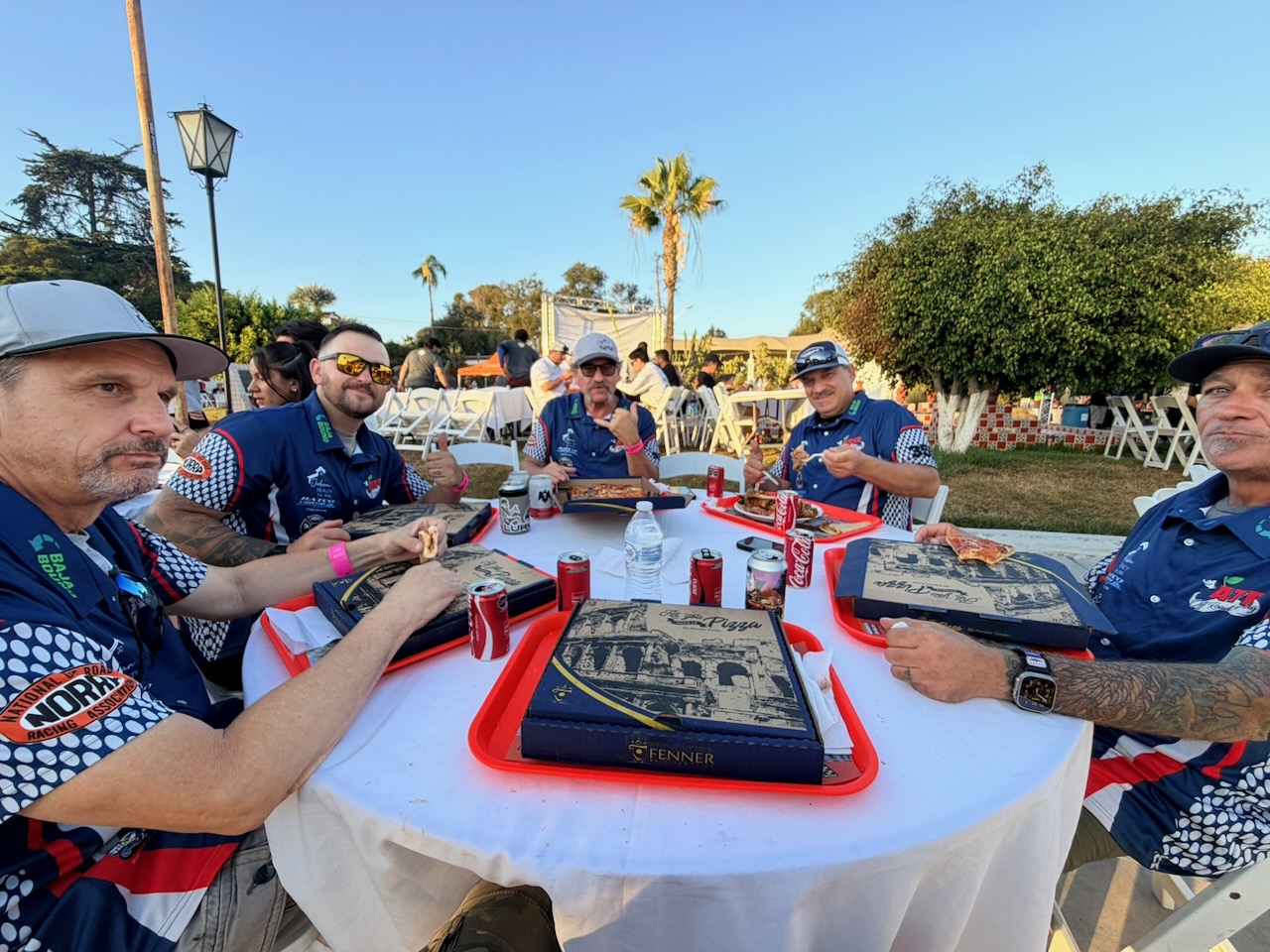
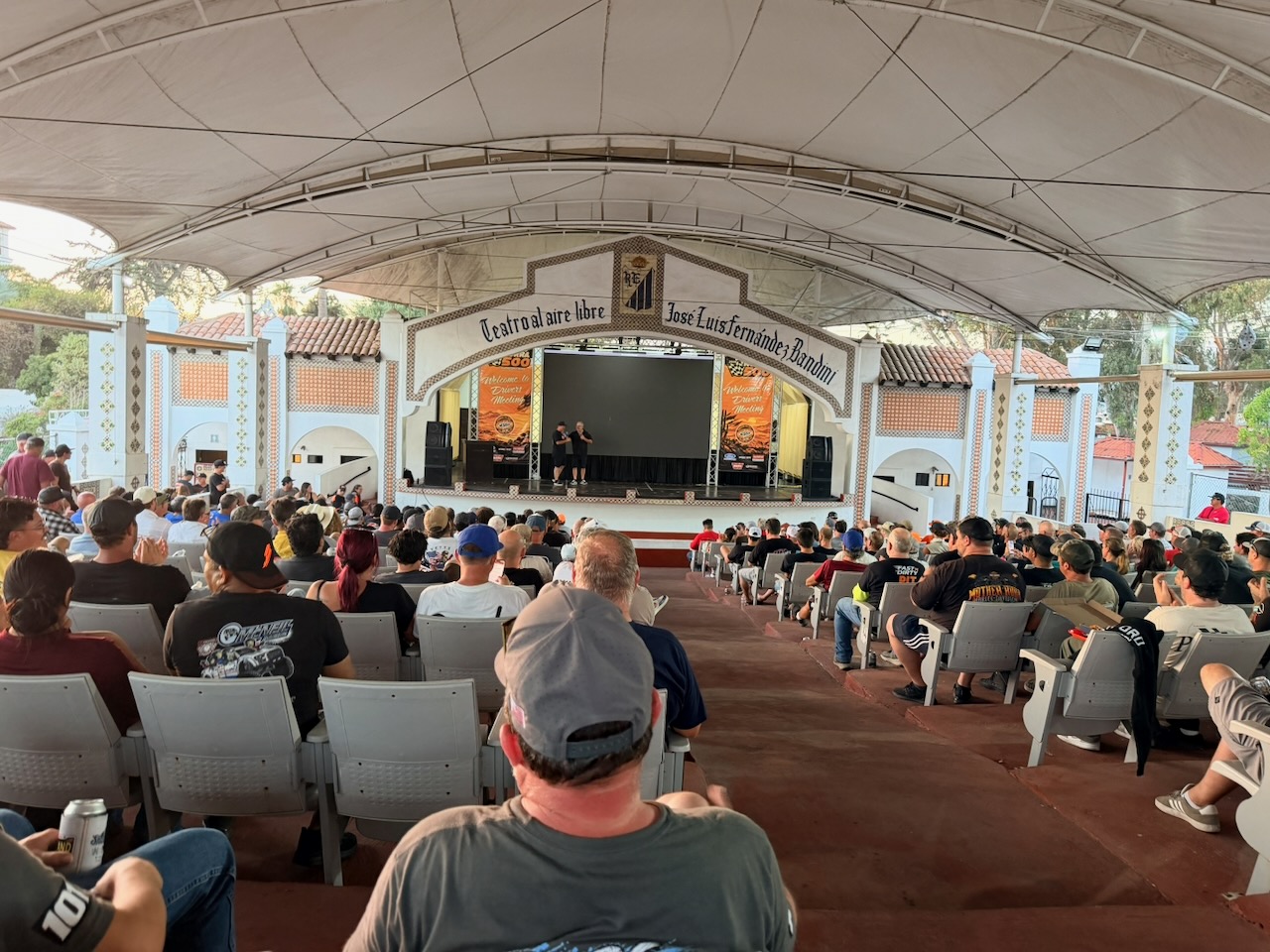
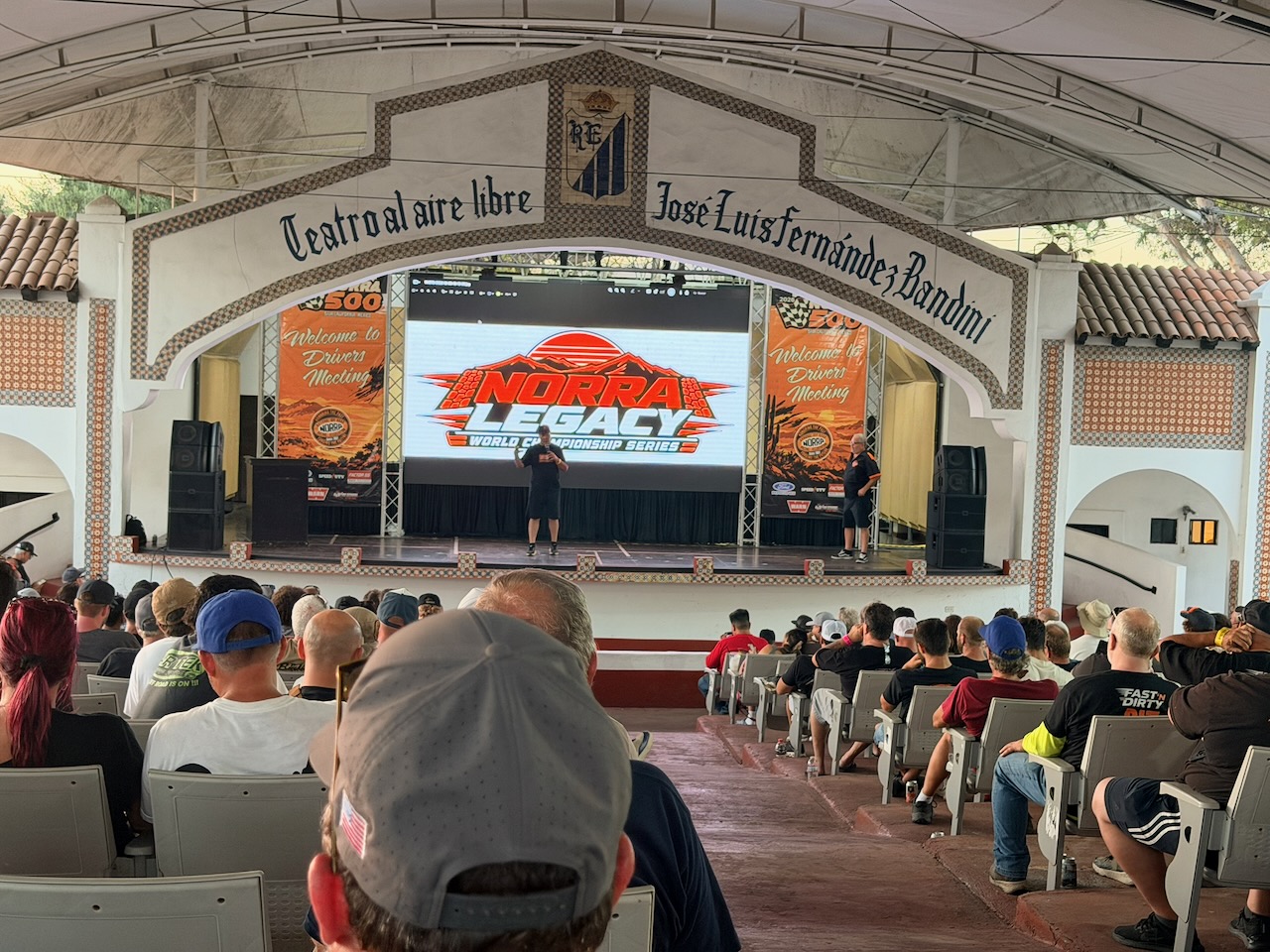
The evening closed with dinner at NORRA and the drivers meeting. Eliseo walked the room through the course, the procedures, the Stella 6—yes, Stella 6 again—and the contingency options should Hurricane Rachel arrive earlier than expected.
Robby Gordon also spoke about a new combined race series being launched, adding another current of excitement to a room already focused on the next morning. By then, registration was complete, tech was behind us, qualifying was in the books, and #355 had fresh tuning in its ECU.
Next Stop: Race Day
#355 is cleared, tuned, and ready.
We started the day in a registration line and finished it with a qualified race car, a safer cockpit, revised fuel delivery, and a team eager for the first competitive miles. Tomorrow, paperwork gives way to dust—and High Altitude Racing goes racing.