41 Miles From the Finish
One pop changed the race.
At the 2025 NORRA 500, #355 was running in third place with the finish line just 41 miles away. The team had the pace, the car felt strong, and another hard-earned result was within reach.
Coming through a small wash, the driver slowed for a turn and depression, then rolled back into full throttle. A pop. A backfire. A bang. The car coasted to a stop and would not restart.
The starter sound suggested a loss of compression. Trackside troubleshooting led us beneath the engine’s top cover, where the picture became clear: the crankshaft turned, but the camshafts did not. The verdict was immediate and final for race day—not field fixable.
The First Clue
A small part with a big consequence.
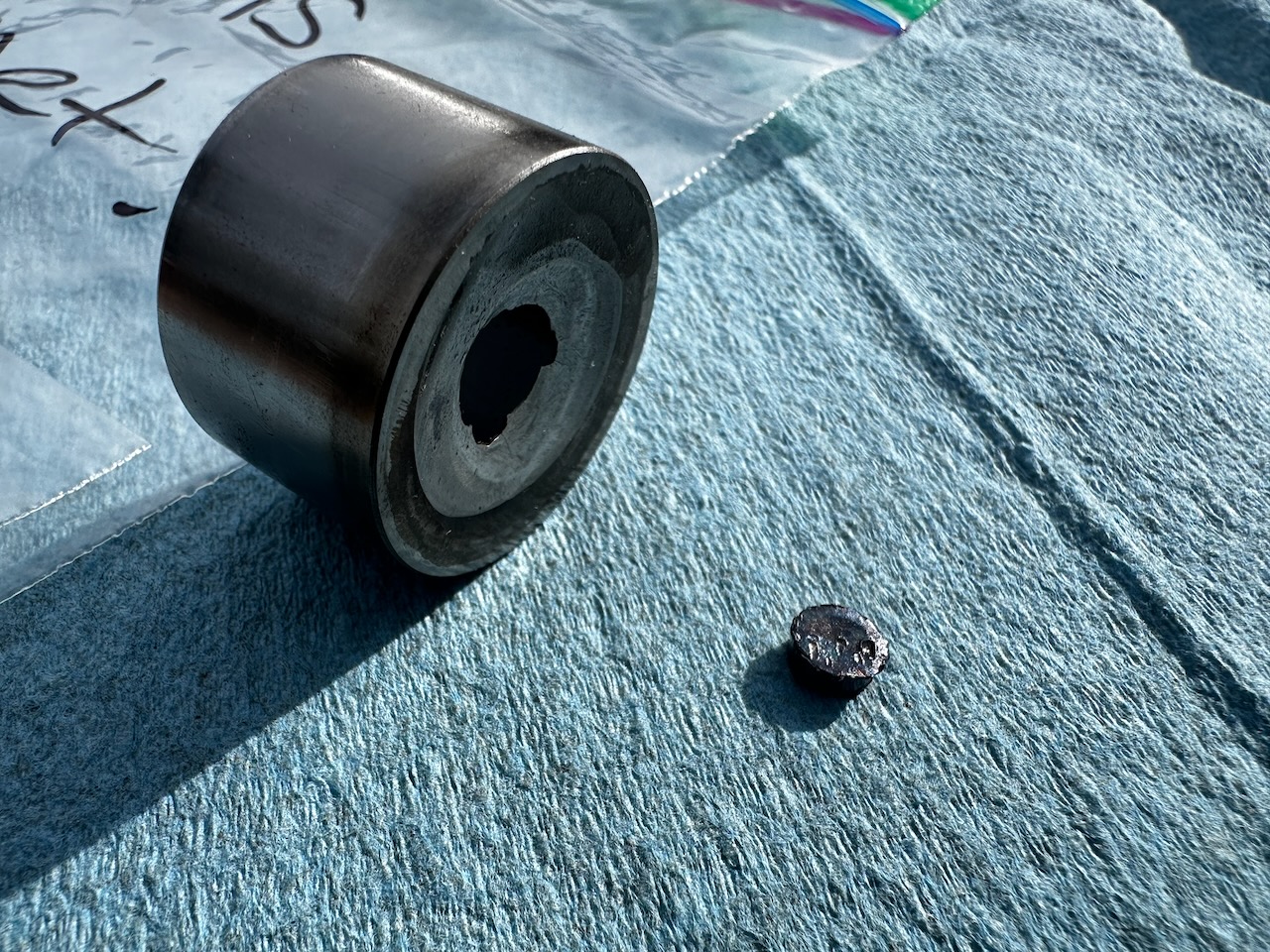
A valve tappet had worn completely through. Once the hardened shim that actuates the valve stem came loose, it found its way between a timing sprocket and the chain. The chain snapped instantly, bringing the camshafts—and our race—to a stop.
It was the visible failure, but not yet the whole story. A broken component tells you where the chain of events ended. Careful forensics tells you where it began.
Engine Forensics
Follow the evidence upstream.
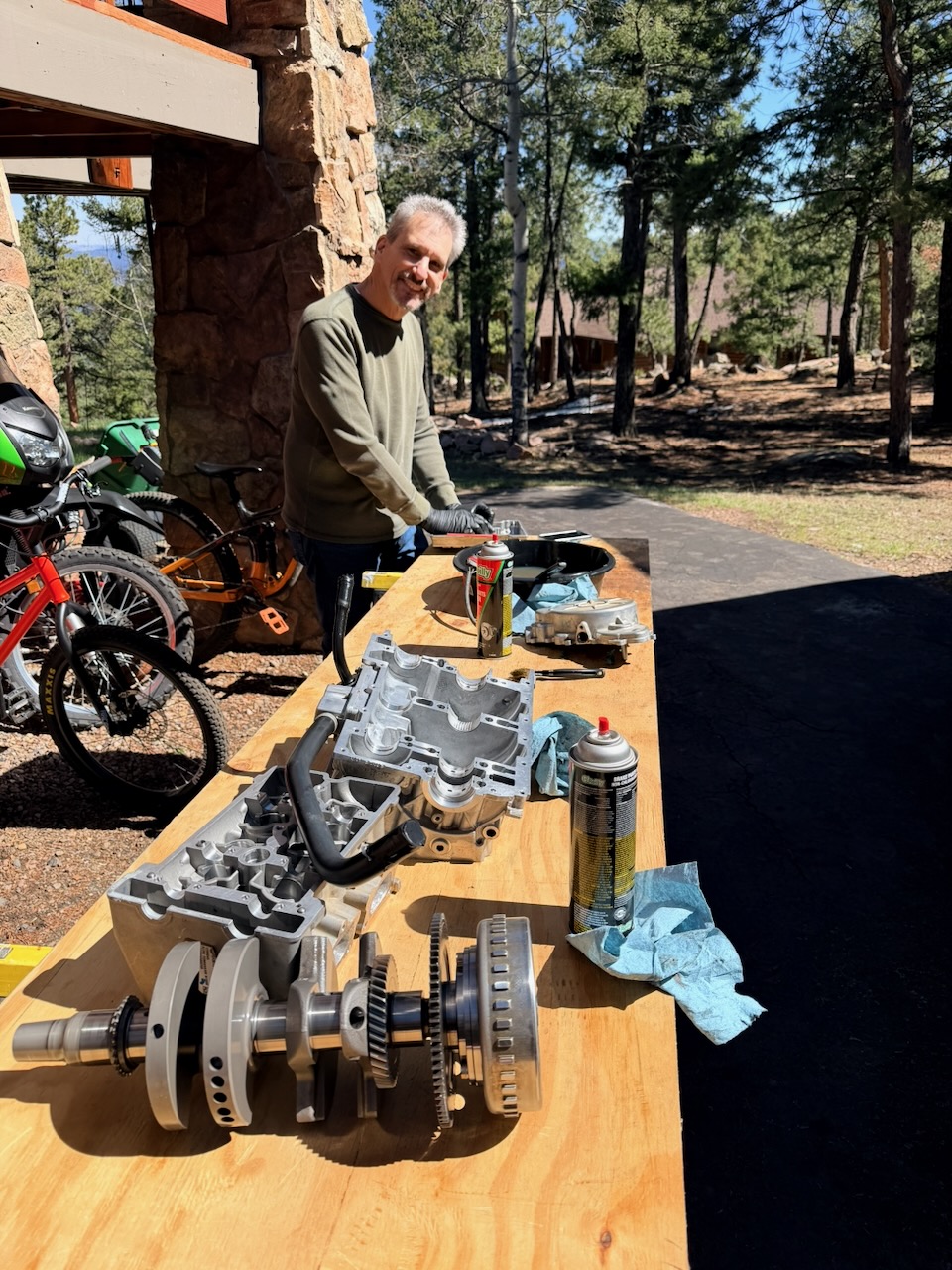
In our Colorado shop, we documented the damage, inspected each related component, and worked backward through the failure chain. The investigation identified a faulty camshaft as the root cause. The tappet was simply the first component to lose the fight.
That distinction matters. Replacing only the obvious broken piece would have left the underlying problem untouched. Finding the root cause gave us a rebuild plan we could trust.
Measure, Don’t Guess
Every dimension earns its place.
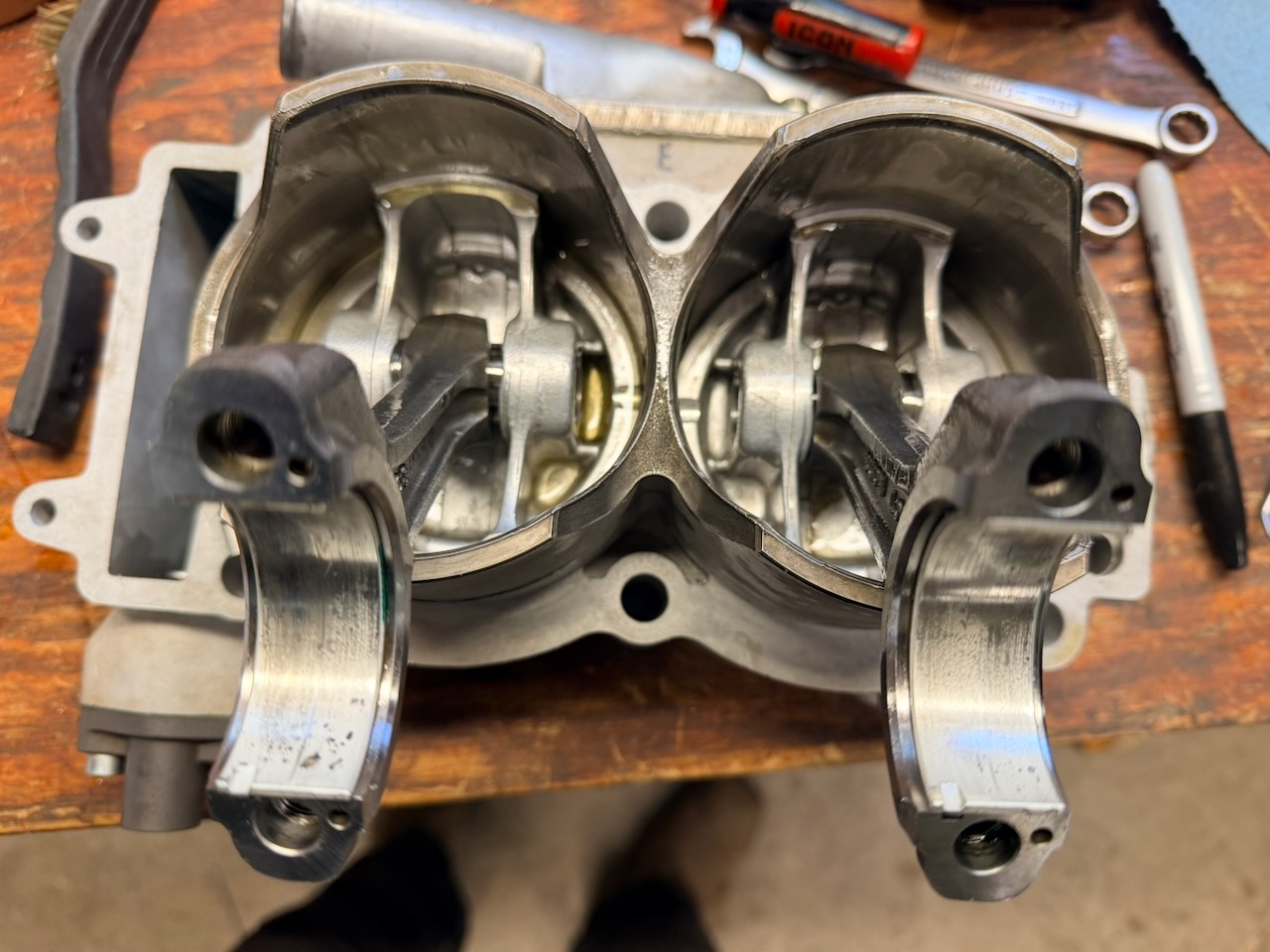
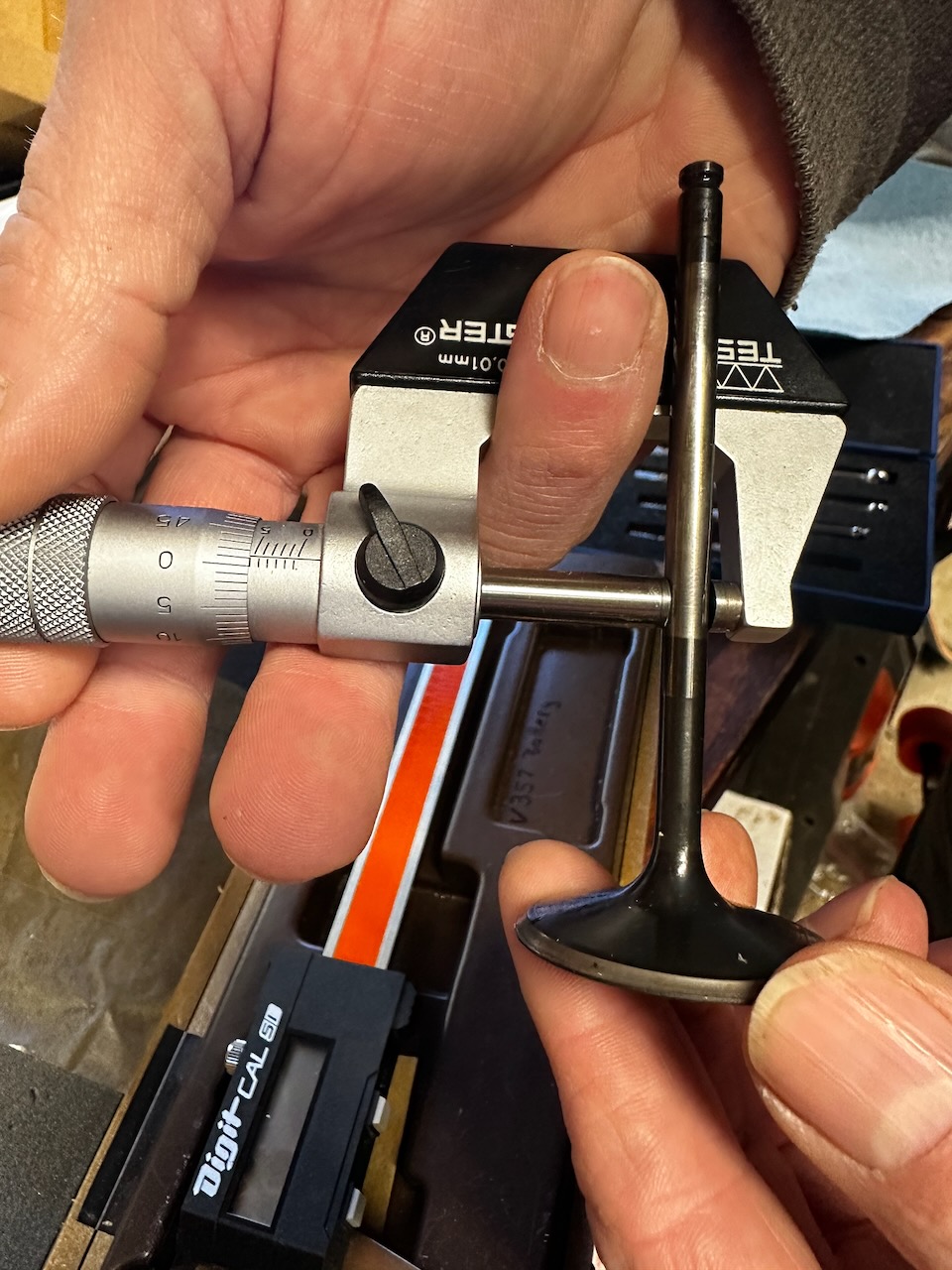
With the engine fully disassembled, we cleaned and measured every reusable component against its specified wear limit. Clearances were recorded, surfaces inspected, and anything outside specification was replaced.
The process is methodical by design. Reliability in Baja is built at the workbench, one measurement and one decision at a time.
A Clean Foundation
Preparing every surface for the rebuild.
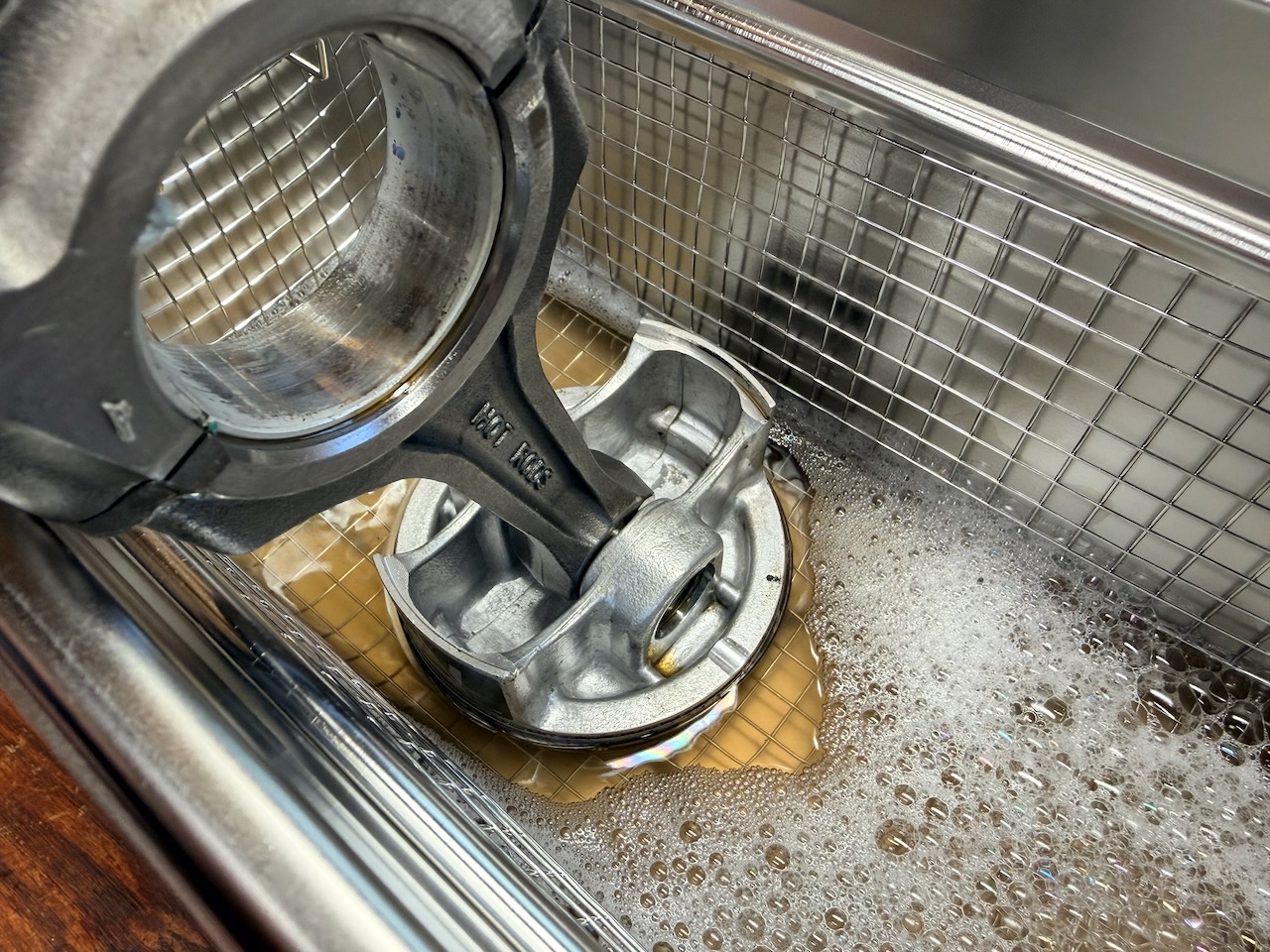
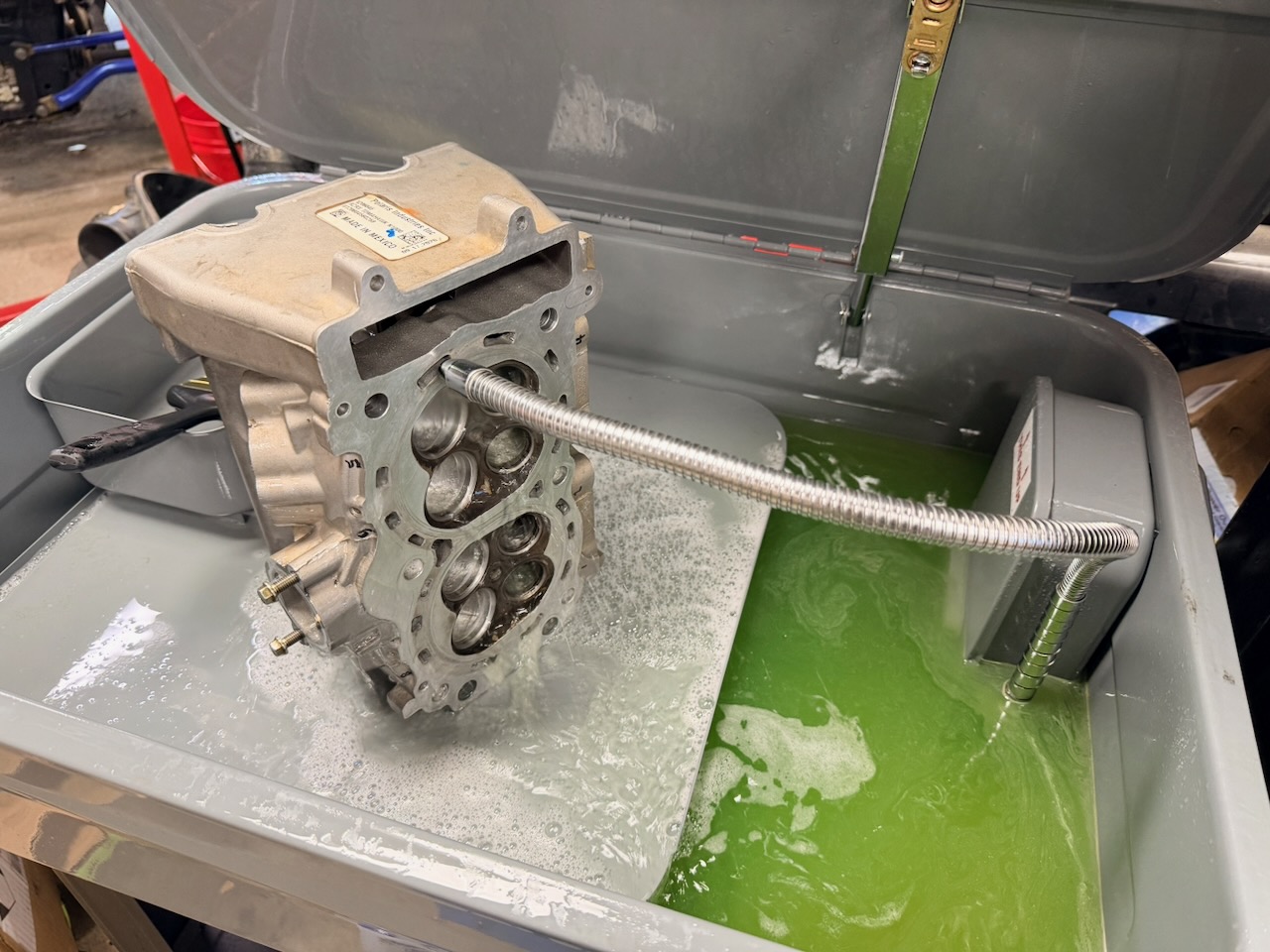
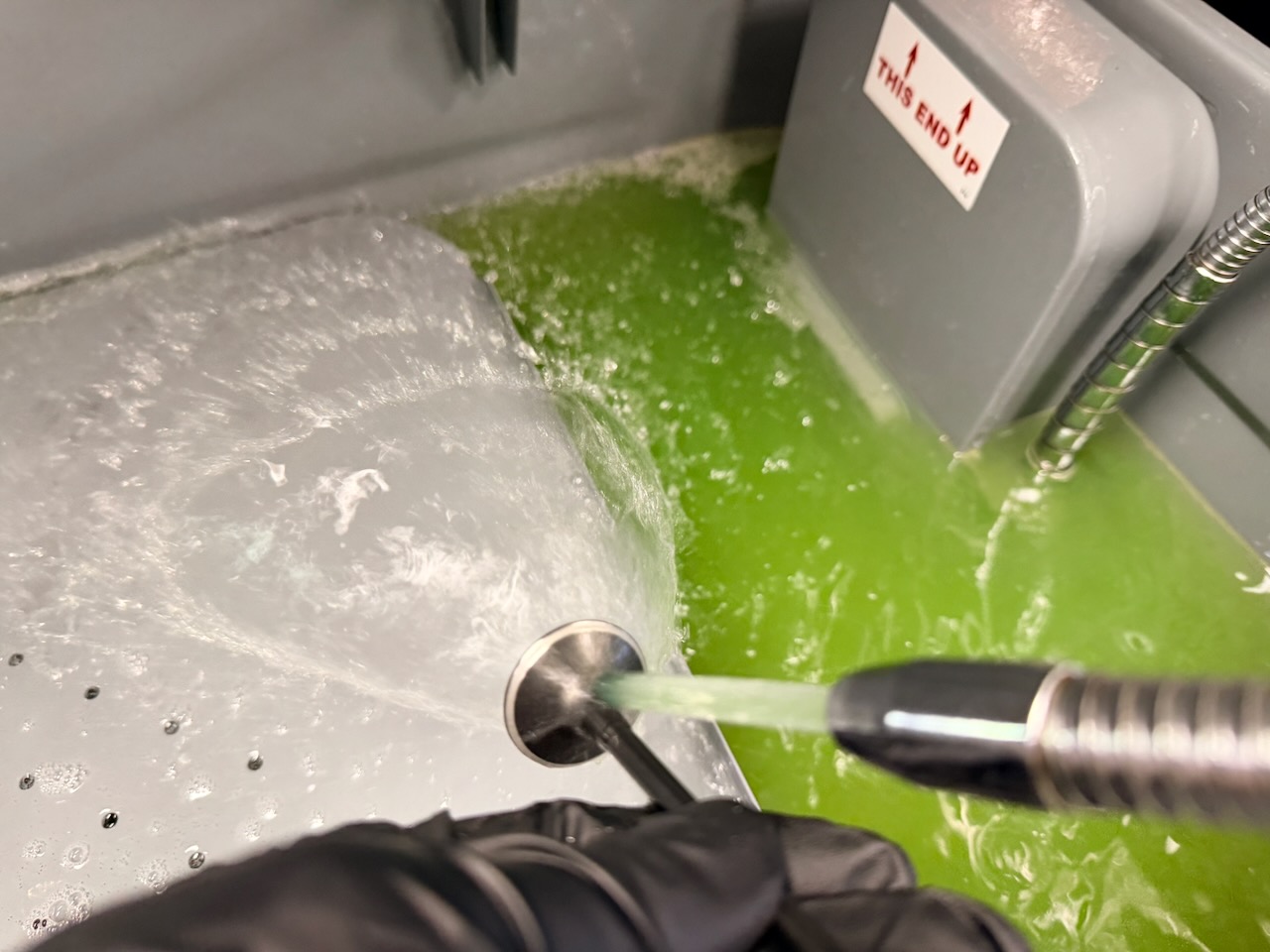
Before assembly could begin, every oil passage, sealing surface, piston, valve, and cylinder needed to be spotless. Ultrasonic cleaning loosened stubborn contamination while detailed handwork handled the areas that demanded precision.
What the Exhaust Revealed
Baja dust leaves fingerprints.
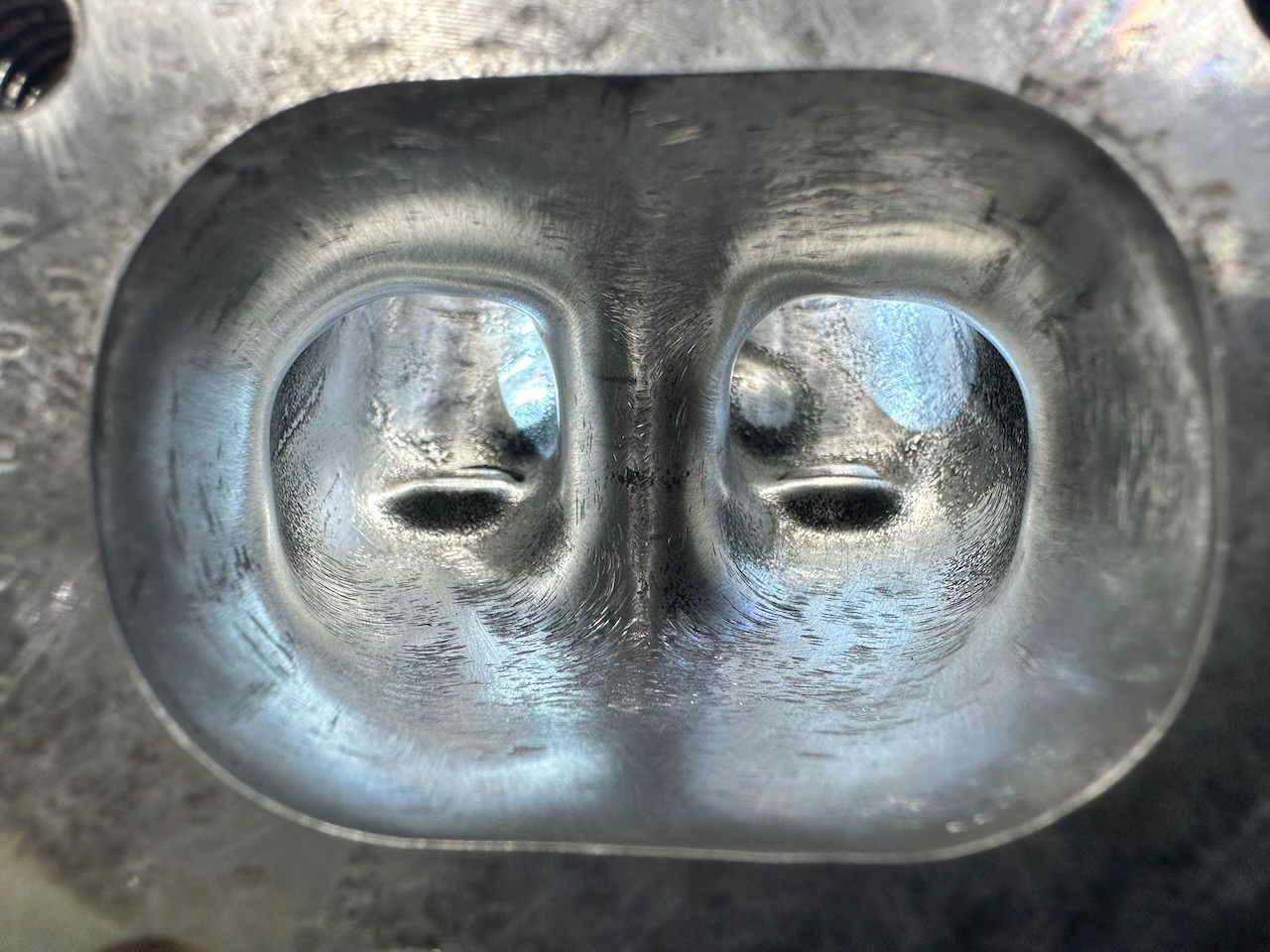
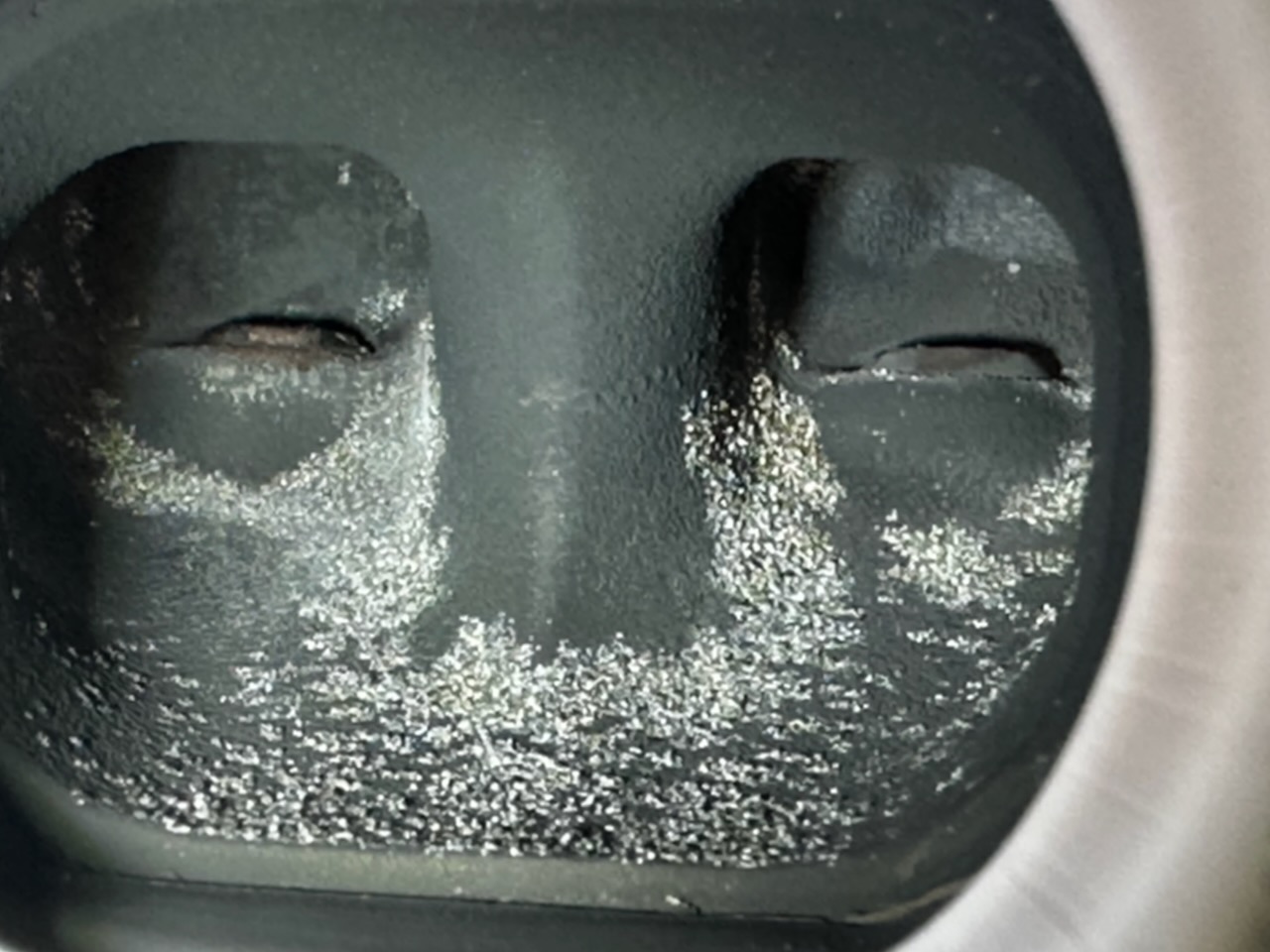
We cleaned and refined the intake and exhaust ports, restoring smooth surfaces and removing accumulated deposits. Inside the exhaust ports, we found something especially revealing: glassy particles created when fine desert dust melted under extreme heat.
That discovery gave us another actionable lesson. If molten dust was reaching the exhaust side, the filtration system needed attention. The evidence from this teardown directly led to an air-filter upgrade—one more improvement born from understanding the failure, not simply repairing it.
With the forensic work complete, the worn components identified, and every reusable part cleaned and measured, the engine was ready for the next phase: assembly.
Continue to Part 2: upgrades, careful assembly, and bringing the engine back to life.
Read Part 2: Engine Build